
language
04
2025
-
12
Enhancing Energy Efficiency with Thermal Insulation Aluminium Doors
Thermal insulation aluminium doors represent a significant advancement in building materials, particularly suited for both residential and commercial applications. These doors are engineered to provide exceptional thermal performance, minimizing heat transfer between the interior and exterior of a building. This characteristic is essential for energy conservation, as it helps to maintain a consist
Thermal insulation aluminium doors represent a significant advancement in building materials, particularly suited for both residential and commercial applications. These doors are engineered to provide exceptional thermal performance, minimizing heat transfer between the interior and exterior of a building. This characteristic is essential for energy conservation, as it helps to maintain a consistent indoor climate, reducing reliance on heating and cooling systems.
One of the primary features of thermal insulation aluminium doors is their construction. Typically, these doors consist of a lightweight aluminum frame that houses a core of insulating materials, such as polyurethane or polystyrene. This core serves to reduce thermal conductivity, making the door highly effective in maintaining temperature control. The combination of durable aluminium and effective insulation means these doors can withstand harsh weather conditions while performing optimally.
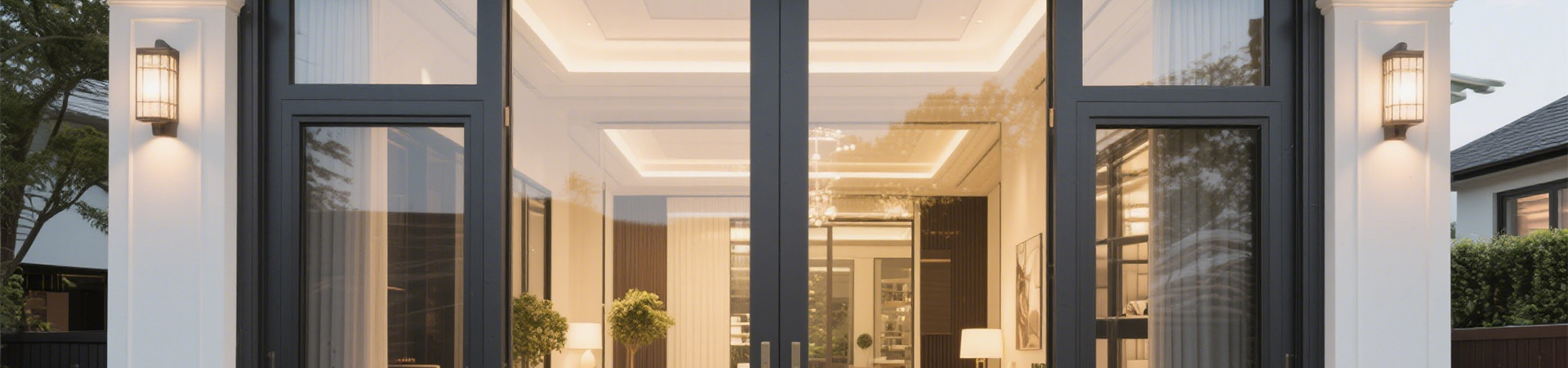
From an aesthetic standpoint, thermal insulation aluminium doors offer a modern and sleek appearance, making them versatile for various architectural styles. They can be customized with different finishes, colors, and designs to suit the specific aesthetic requirements of any project. Additionally, these doors can be fitted with various glazing options, further enhancing their thermal efficiency while allowing natural light to infiltrate the space.
In terms of energy efficiency, thermal insulation aluminium doors can significantly lower energy costs. By reducing the amount of energy needed for heating and cooling, they contribute to lower utility bills and a smaller carbon footprint. This makes them an attractive option for environmentally-conscious builders and homeowners alike.
Another important aspect to consider is the maintenance of thermal insulation aluminium doors. Unlike traditional wooden doors, which can warp or rot over time, aluminium doors are resistant to weathering and require minimal upkeep. A simple cleaning process is often sufficient to maintain their appearance and function, making them a practical choice for busy environments.
However, it is crucial to ensure proper installation to maximize the benefits of thermal insulation aluminium doors. Engaging experienced professionals for the installation process can help ensure that the doors are fitted correctly, maintaining their thermal performance and structural integrity over time.
In conclusion, thermal insulation aluminium doors are a forward-thinking solution in the construction and decoration materials industry, providing not only energy efficiency and durability but also aesthetic appeal. Professionals considering these doors for their projects should weigh the advantages against specific project requirements to achieve optimal results.
One of the primary features of thermal insulation aluminium doors is their construction. Typically, these doors consist of a lightweight aluminum frame that houses a core of insulating materials, such as polyurethane or polystyrene. This core serves to reduce thermal conductivity, making the door highly effective in maintaining temperature control. The combination of durable aluminium and effective insulation means these doors can withstand harsh weather conditions while performing optimally.
From an aesthetic standpoint, thermal insulation aluminium doors offer a modern and sleek appearance, making them versatile for various architectural styles. They can be customized with different finishes, colors, and designs to suit the specific aesthetic requirements of any project. Additionally, these doors can be fitted with various glazing options, further enhancing their thermal efficiency while allowing natural light to infiltrate the space.
In terms of energy efficiency, thermal insulation aluminium doors can significantly lower energy costs. By reducing the amount of energy needed for heating and cooling, they contribute to lower utility bills and a smaller carbon footprint. This makes them an attractive option for environmentally-conscious builders and homeowners alike.
Another important aspect to consider is the maintenance of thermal insulation aluminium doors. Unlike traditional wooden doors, which can warp or rot over time, aluminium doors are resistant to weathering and require minimal upkeep. A simple cleaning process is often sufficient to maintain their appearance and function, making them a practical choice for busy environments.
However, it is crucial to ensure proper installation to maximize the benefits of thermal insulation aluminium doors. Engaging experienced professionals for the installation process can help ensure that the doors are fitted correctly, maintaining their thermal performance and structural integrity over time.
In conclusion, thermal insulation aluminium doors are a forward-thinking solution in the construction and decoration materials industry, providing not only energy efficiency and durability but also aesthetic appeal. Professionals considering these doors for their projects should weigh the advantages against specific project requirements to achieve optimal results.
thermal insulation aluminium doors

export@topbuildtop.com
Room 2702, 2703B, Block 1, Poly Business Center, No. 8, Wenhua South Road, Dongping New Town, Lecong Town, Shunde District, Foshan City
