
language
29
2026
-
01
Enhancing Spaces with Balcony Aluminium Casement Windows: A Comprehensive Guide
Balcony aluminium casement windows are a popular choice in contemporary architecture, offering a perfect blend of aesthetic appeal and functional efficiency. Unlike traditional window designs, casement windows are hinged on one side and open outward, providing an unobstructed view and enhancing ventilation in balcony spaces. This feature is particularly advantageous for urban dwellers seeking to m
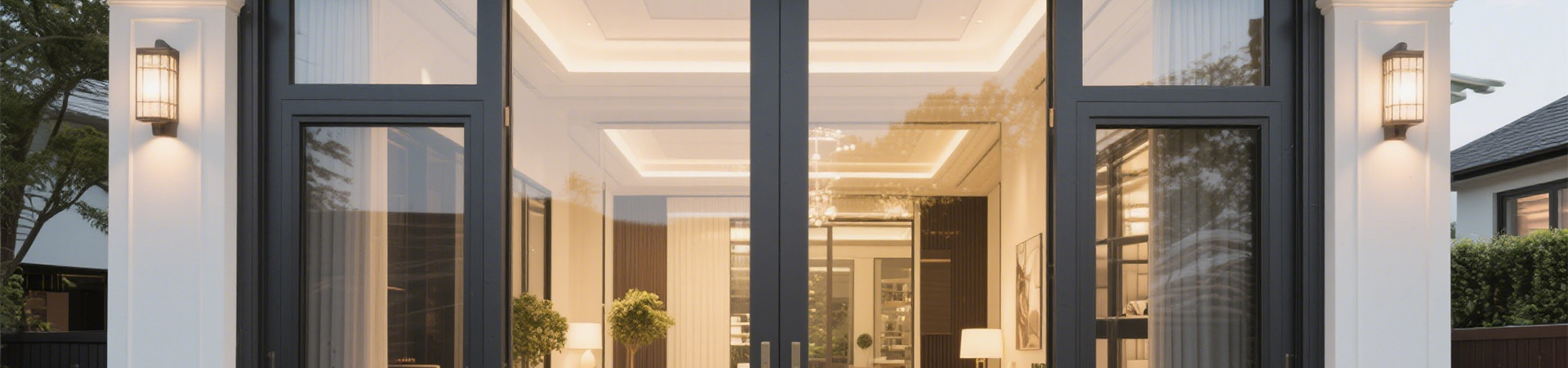
Balcony aluminium casement windows are a popular choice in contemporary architecture, offering a perfect blend of aesthetic appeal and functional efficiency. Unlike traditional window designs, casement windows are hinged on one side and open outward, providing an unobstructed view and enhancing ventilation in balcony spaces. This feature is particularly advantageous for urban dwellers seeking to maximize natural light and fresh air within their living environments.
One of the primary benefits of using aluminium for these windows is its durability. Aluminium is resistant to rust, corrosion, and the elements, which makes it an ideal material for installations that are exposed to varying weather conditions. Furthermore, aluminium is lightweight yet strong, allowing for larger window frames that can support expansive glass panes. This translates to better views and improved energy efficiency, as larger glass areas can be designed to minimize heat loss and increase daylighting.
In addition to their functional advantages, balcony aluminium casement windows come in a variety of styles and finishes, making them a versatile choice for different architectural designs. They can be powder-coated in various colors, allowing for customization that complements the overall aesthetic of the building. This flexibility makes it easier for architects and builders to integrate these windows into various design themes, from minimalist to traditional.
When considering balcony aluminium casement windows, it’s essential to account for several factors. First, the quality of the glazing is crucial; double or triple glazing options provide enhanced insulation and soundproofing qualities. Additionally, proper installation is vital to ensure that the windows operate smoothly and maintain energy efficiency over time. It is advisable to work with experienced professionals who understand the specific requirements for installing these windows in balcony settings.
Another important aspect is the maintenance required for aluminium windows. While they require less upkeep than wood frames, regular cleaning and occasional checks for seals and fittings are necessary to ensure longevity and performance. Choosing high-quality products can also reduce maintenance efforts, as premium finishes are designed to withstand the test of time.
In summary, balcony aluminium casement windows not only elevate the aesthetic and functional qualities of buildings but also provide significant benefits in terms of durability, energy efficiency, and customization. As the demand for modern living spaces continues to rise, incorporating these windows into architectural designs can lead to innovative solutions that enhance both interior and exterior environments. By understanding their features and advantages, professionals in the building and decoration materials industry can better serve their clients and contribute to the creation of beautiful, functional spaces.
One of the primary benefits of using aluminium for these windows is its durability. Aluminium is resistant to rust, corrosion, and the elements, which makes it an ideal material for installations that are exposed to varying weather conditions. Furthermore, aluminium is lightweight yet strong, allowing for larger window frames that can support expansive glass panes. This translates to better views and improved energy efficiency, as larger glass areas can be designed to minimize heat loss and increase daylighting.
In addition to their functional advantages, balcony aluminium casement windows come in a variety of styles and finishes, making them a versatile choice for different architectural designs. They can be powder-coated in various colors, allowing for customization that complements the overall aesthetic of the building. This flexibility makes it easier for architects and builders to integrate these windows into various design themes, from minimalist to traditional.
When considering balcony aluminium casement windows, it’s essential to account for several factors. First, the quality of the glazing is crucial; double or triple glazing options provide enhanced insulation and soundproofing qualities. Additionally, proper installation is vital to ensure that the windows operate smoothly and maintain energy efficiency over time. It is advisable to work with experienced professionals who understand the specific requirements for installing these windows in balcony settings.
Another important aspect is the maintenance required for aluminium windows. While they require less upkeep than wood frames, regular cleaning and occasional checks for seals and fittings are necessary to ensure longevity and performance. Choosing high-quality products can also reduce maintenance efforts, as premium finishes are designed to withstand the test of time.
In summary, balcony aluminium casement windows not only elevate the aesthetic and functional qualities of buildings but also provide significant benefits in terms of durability, energy efficiency, and customization. As the demand for modern living spaces continues to rise, incorporating these windows into architectural designs can lead to innovative solutions that enhance both interior and exterior environments. By understanding their features and advantages, professionals in the building and decoration materials industry can better serve their clients and contribute to the creation of beautiful, functional spaces.
balcony aluminium casement window

export@topbuildtop.com
Room 2702, 2703B, Block 1, Poly Business Center, No. 8, Wenhua South Road, Dongping New Town, Lecong Town, Shunde District, Foshan City
