
language
05
2026
-
04
Why Architects Prefer Seamless Welding for Aluminium Window Structures
Why Architects Prefer Seamless Welding for Aluminium Window Structures Introduction to Seamless Welding in Aluminium Structures In the realm of architectural design, the choice of materials and construction methods plays a pivotal role in determining the overall success of a project. **Seamless welding** has emerged as a preferred technique for fabricating aluminium window structures, captivating
Why Architects Prefer Seamless Welding for Aluminium Window Structures
Introduction to Seamless Welding in Aluminium Structures
In the realm of architectural design, the choice of materials and construction methods plays a pivotal role in determining the overall success of a project. **Seamless welding** has emerged as a preferred technique for fabricating aluminium window structures, captivating architects worldwide. This method not only enhances the **structural integrity** of the windows but also contributes to their **aesthetic appeal** and **energy efficiency**.
Understanding Seamless Welding: An Overview
Seamless welding involves joining two or more pieces of aluminium without the use of visible seams or joints. This technique provides several benefits, including:
1. Enhanced Structural Integrity
Seamless welding creates a continuous and uniform structure, significantly increasing its strength compared to traditional methods. The absence of joints minimizes the risk of fissures and weaknesses, making the window structure more durable and capable of withstanding environmental stressors.
2. Aesthetically Pleasing Designs
Architects appreciate seamless welding for its ability to create sleek and modern designs. With no visible seams or weld lines, the windows exude a clean and polished look, aligning perfectly with contemporary architectural trends that prioritize minimalism and elegance.
The Advantages of Seamless Welding for Aluminium Windows
As architects and builders increasingly turn to seamless welding, it’s essential to understand the specific advantages this method offers.
1. Improved Energy Efficiency
Energy efficiency is a significant concern in modern architecture. Seamless welding contributes to better insulation properties, as uninterrupted joints reduce thermal bridging. This enhances the overall energy performance of the window structures, leading to lower heating and cooling costs for homeowners.
2. Resistance to Corrosion and Environmental Damage
Aluminium is naturally resistant to corrosion, but the welding process significantly amplifies this property. Seamless welding creates a protective barrier between the materials, ensuring that the windows can withstand harsh weather conditions, UV exposure, and other environmental factors without compromising their integrity.
3. Reduced Maintenance Needs
With fewer joints and seams, the maintenance needs of aluminium window structures are significantly reduced. Seamless welding ensures that there are minimal points where dirt and moisture can accumulate, leading to lower upkeep costs and an extended lifespan for the windows.
The Role of Seamless Welding in Modern Architecture
Seamless welding is not merely a construction technique; it represents a shift in architectural philosophy. As architects embrace **sustainability** and **aesthetic beauty**, seamless welding aligns perfectly with these values.
1. Sustainability and Environmental Impact
Architects are under increasing pressure to adopt sustainable practices. Seamless welding contributes to this goal by:
- **Reducing Waste:** The precision of seamless welding minimizes material waste during fabrication.
- **Utilizing Recyclable Materials:** Aluminium is fully recyclable, and seamless welding allows for the efficient use of recycled aluminium, further reducing the environmental footprint.
2. Customization Opportunities
Seamless welding offers unparalleled flexibility in design. Architects can create custom shapes and sizes for window structures without the limitations imposed by traditional welding methods. This customization enables them to meet specific design requirements and client preferences effectively.
Case Studies: Successful Applications of Seamless Welding
Several architectural projects exemplify the successful application of seamless welding for aluminium window structures.
1. Iconic Skyscrapers
Many iconic skyscrapers incorporate seamless welding in their window designs to achieve both structural stability and aesthetic harmony. These buildings often feature expansive glass facades, supported by seamless aluminium frames that provide unobstructed views.
2. Residential Projects
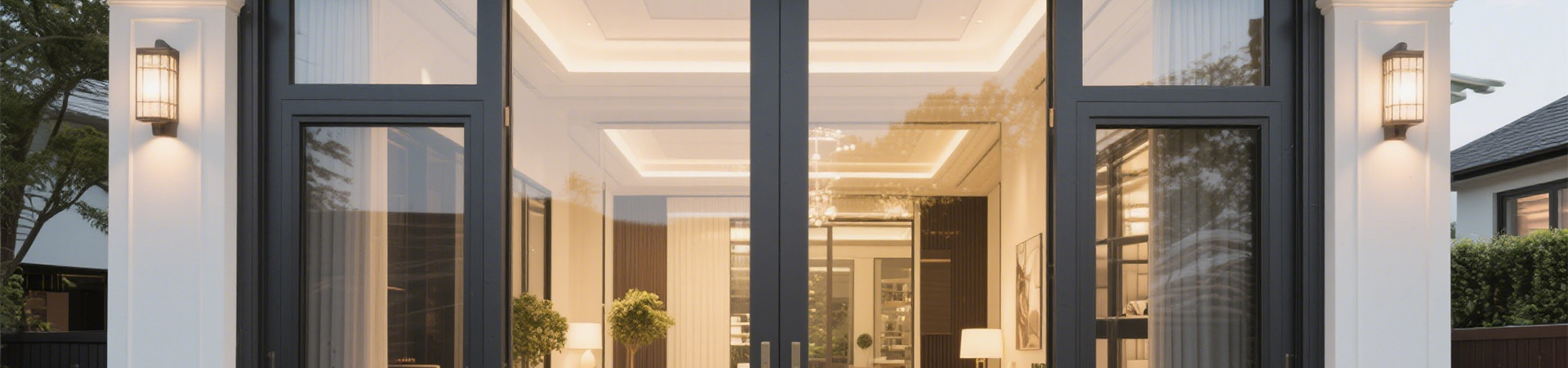
In residential architecture, seamless welding allows for large, panoramic windows that enhance natural light and connectivity with the outdoors. Homeowners appreciate the modern look and improved energy efficiency, making seamless welding a popular choice for contemporary homes.
Challenges and Considerations
While the advantages of seamless welding are substantial, architects must also be aware of potential challenges.
1. Cost Implications
Seamless welding may involve higher upfront costs due to the advanced technology and skilled labor required. Architects need to weigh these costs against the long-term benefits, including reduced maintenance and increased energy savings.
2. Technical Expertise Required
The precision required for seamless welding necessitates a skilled workforce proficient in this technique. Architects must ensure that their construction teams are adequately trained to execute seamless welding projects effectively.
FAQs About Seamless Welding in Aluminium Windows
1. What is seamless welding?
Seamless welding is a technique used to join aluminium pieces without visible seams or joints, resulting in a stronger and more aesthetically pleasing structure.
2. How does seamless welding benefit energy efficiency?
By minimizing thermal bridging and ensuring uninterrupted joints, seamless welding enhances the insulation properties of aluminium window structures, leading to lower energy costs.
3. Is seamless welding suitable for all architectural projects?
While seamless welding is highly advantageous, architects should consider project budgets and the availability of skilled labor before deciding on this method.
4. How does seamless welding affect the lifespan of aluminium windows?
Seamless welding enhances the durability and structural integrity of aluminium windows, resulting in a longer lifespan and reduced maintenance requirements.
5. Can seamless welding be customized for different designs?
Yes, seamless welding offers significant flexibility in design, allowing architects to create custom shapes and sizes for window structures that meet specific project requirements.
Conclusion
In modern architectural design, the preference for seamless welding in aluminium window structures stems from its numerous advantages, ranging from enhanced structural integrity and aesthetic appeal to improved energy efficiency and sustainability. As architects continue to seek innovative solutions that align with contemporary design principles, seamless welding remains a leading choice for creating stunning, durable, and energy-efficient window structures. By embracing this technology, architects not only elevate their designs but also contribute to a more sustainable built environment, proving that form and function can beautifully coexist.
seamless welding aluminium window

export@topbuildtop.com
Room 2702, 2703B, Block 1, Poly Business Center, No. 8, Wenhua South Road, Dongping New Town, Lecong Town, Shunde District, Foshan City
