
language
29
2026
-
05
Understanding Aluminium Profiles for Casement Windows: A Practical Guide
Aluminium profiles for casement windows are an integral part of modern architecture and construction, offering a blend of functionality and aesthetic appeal. These profiles are specifically designed to support the window structure while providing excellent thermal insulation and durability. One of the main advantages of using aluminium profiles is their lightweight nature, which makes handling and
Aluminium profiles for casement windows are an integral part of modern architecture and construction, offering a blend of functionality and aesthetic appeal. These profiles are specifically designed to support the window structure while providing excellent thermal insulation and durability. One of the main advantages of using aluminium profiles is their lightweight nature, which makes handling and installation easier, reducing labor costs and time.
When considering aluminium profiles for casement windows, it's essential to understand their design and manufacturing processes. Typically, these profiles are extruded from high-quality aluminium alloy, which enhances their strength and resistance to corrosion. This quality makes them ideal for various climates, as they can withstand extreme weather conditions without compromising structural integrity.
In addition to their robustness, aluminium profiles offer significant design flexibility. They can be customized in various shapes, sizes, and finishes, allowing architects and builders to create unique window designs that fit the aesthetics of any building. Furthermore, the ability to powder-coat or anodize these profiles adds an additional layer of protection while enabling a range of color options, catering to diverse design preferences.
Another crucial aspect to consider is the sustainability of aluminium profiles. Aluminium is a recyclable material, and its production has seen significant improvements in energy efficiency over the years. By choosing aluminium profiles for casement windows, builders contribute to environmentally friendly practices, as these materials can be recycled without losing their inherent properties.
Incorporating aluminium profiles in window designs not only enhances the visual appeal of a building but also improves energy efficiency. These profiles can accommodate double or triple glazing, which offers superior insulation and contributes to lowering energy consumption for heating and cooling. As a result, buildings utilizing aluminium window profiles can achieve better energy ratings, benefiting both the environment and the occupants.
In conclusion, aluminium profiles for casement windows represent a harmonious blend of strength, aesthetic versatility, and sustainability. Their lightweight nature, resistance to corrosion, and adaptability make them an excellent choice for modern architectural projects. By understanding the advantages and applications of these profiles, professionals in the packaging and printing industry can make informed decisions that enhance their offerings in metal packaging materials. Embracing aluminium profiles not only elevates the quality of constructions but also aligns with contemporary trends toward sustainable building practices.
When considering aluminium profiles for casement windows, it's essential to understand their design and manufacturing processes. Typically, these profiles are extruded from high-quality aluminium alloy, which enhances their strength and resistance to corrosion. This quality makes them ideal for various climates, as they can withstand extreme weather conditions without compromising structural integrity.
In addition to their robustness, aluminium profiles offer significant design flexibility. They can be customized in various shapes, sizes, and finishes, allowing architects and builders to create unique window designs that fit the aesthetics of any building. Furthermore, the ability to powder-coat or anodize these profiles adds an additional layer of protection while enabling a range of color options, catering to diverse design preferences.
Another crucial aspect to consider is the sustainability of aluminium profiles. Aluminium is a recyclable material, and its production has seen significant improvements in energy efficiency over the years. By choosing aluminium profiles for casement windows, builders contribute to environmentally friendly practices, as these materials can be recycled without losing their inherent properties.
Incorporating aluminium profiles in window designs not only enhances the visual appeal of a building but also improves energy efficiency. These profiles can accommodate double or triple glazing, which offers superior insulation and contributes to lowering energy consumption for heating and cooling. As a result, buildings utilizing aluminium window profiles can achieve better energy ratings, benefiting both the environment and the occupants.
In conclusion, aluminium profiles for casement windows represent a harmonious blend of strength, aesthetic versatility, and sustainability. Their lightweight nature, resistance to corrosion, and adaptability make them an excellent choice for modern architectural projects. By understanding the advantages and applications of these profiles, professionals in the packaging and printing industry can make informed decisions that enhance their offerings in metal packaging materials. Embracing aluminium profiles not only elevates the quality of constructions but also aligns with contemporary trends toward sustainable building practices.
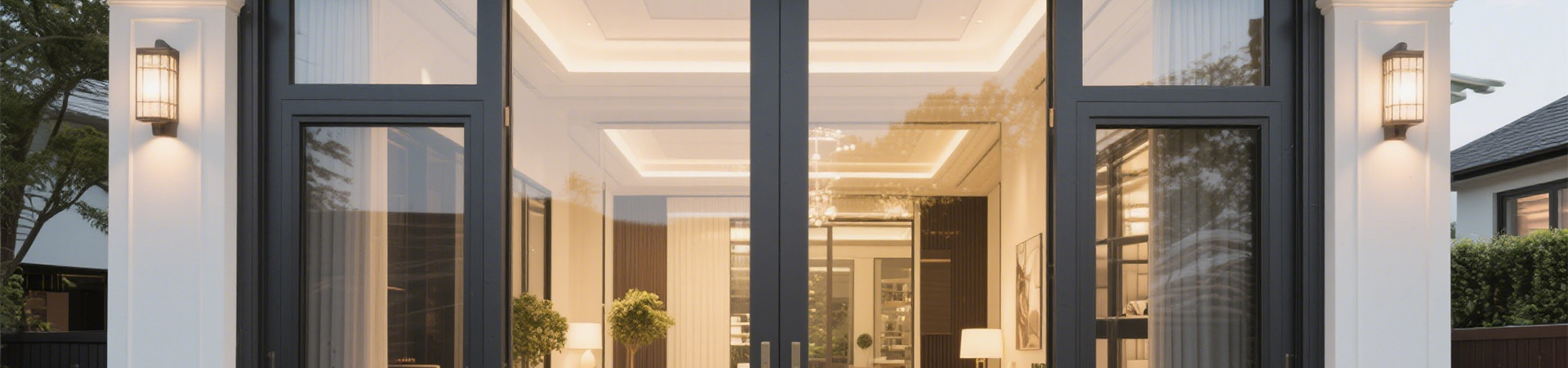
aluminium profile for casement windows

export@topbuildtop.com
Room 2702, 2703B, Block 1, Poly Business Center, No. 8, Wenhua South Road, Dongping New Town, Lecong Town, Shunde District, Foshan City
