
language
06
2026
-
06
Understanding Thermal-Break Windows and Doors: Enhancing Energy Efficiency and Comfort
--- In the building and decorative materials industry, particularly in the realm of window and door hardware, thermal-break windows and doors are becoming increasingly popular due to their numerous advantages. These products incorporate a thermal break, which is a barrier made from a non-conductive material that separates the internal and external components of the window or door frame. This desig
---
In the building and decorative materials industry, particularly in the realm of window and door hardware, thermal-break windows and doors are becoming increasingly popular due to their numerous advantages. These products incorporate a thermal break, which is a barrier made from a non-conductive material that separates the internal and external components of the window or door frame. This design significantly enhances the energy efficiency of buildings.
One of the primary benefits of thermal-break windows and doors is their ability to minimize heat transfer. During the colder months, traditional metal frames can conduct heat away from the interior, leading to increased heating costs and discomfort. Conversely, in warmer climates, these frames can allow heat from outside to enter, making air conditioning less effective. Thermal-break technology addresses these issues by providing an insulating barrier, which helps maintain a stable indoor temperature, thus reducing energy consumption.
Moreover, thermal-break windows and doors contribute to sound insulation. The additional material used in the thermal break helps to dampen external noise, creating a quieter and more peaceful indoor environment. This is particularly beneficial for properties located in busy urban areas or near highways, where noise pollution can be a significant concern.
Another advantage is the potential for improved condensation control. Traditional frames are prone to condensation, which can lead to mold growth and damage over time. By reducing the temperature differential between the inside and outside of the frame, thermal-break products help minimize condensation and extend the lifespan of the window or door.
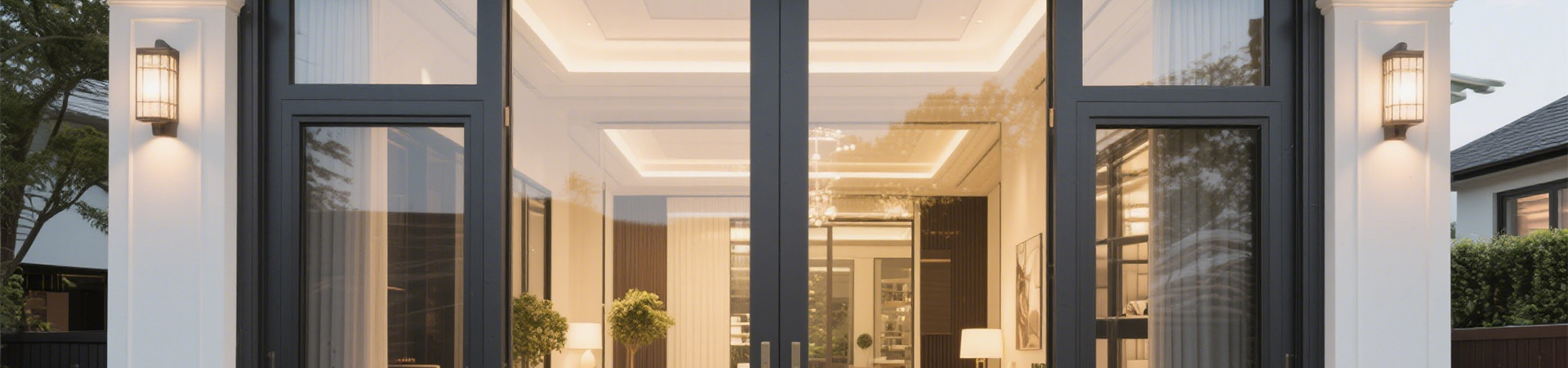
Aesthetic appeal is also a consideration. Thermal-break windows and doors are available in various designs and finishes, making it easier for architects and builders to integrate them into various architectural styles without compromising on looks. They offer the flexibility to achieve both functionality and visual appeal, enhancing the overall design of a building.
When it comes to installation, thermal-break windows and doors may require specific techniques, and it's essential to consult with professionals who are experienced in their use. Proper installation ensures that the thermal break functions effectively and that the products perform optimally over their lifespan.
In summary, thermal-break windows and doors represent an innovative solution in the building and decorative materials sector. With their ability to enhance energy efficiency, reduce noise levels, and provide aesthetic versatility, they are a worthwhile investment for any construction or renovation project. As the demand for sustainable building practices continues to grow, the adoption of thermal-break technology is likely to become a standard in modern architecture.
In the building and decorative materials industry, particularly in the realm of window and door hardware, thermal-break windows and doors are becoming increasingly popular due to their numerous advantages. These products incorporate a thermal break, which is a barrier made from a non-conductive material that separates the internal and external components of the window or door frame. This design significantly enhances the energy efficiency of buildings.
One of the primary benefits of thermal-break windows and doors is their ability to minimize heat transfer. During the colder months, traditional metal frames can conduct heat away from the interior, leading to increased heating costs and discomfort. Conversely, in warmer climates, these frames can allow heat from outside to enter, making air conditioning less effective. Thermal-break technology addresses these issues by providing an insulating barrier, which helps maintain a stable indoor temperature, thus reducing energy consumption.
Moreover, thermal-break windows and doors contribute to sound insulation. The additional material used in the thermal break helps to dampen external noise, creating a quieter and more peaceful indoor environment. This is particularly beneficial for properties located in busy urban areas or near highways, where noise pollution can be a significant concern.
Another advantage is the potential for improved condensation control. Traditional frames are prone to condensation, which can lead to mold growth and damage over time. By reducing the temperature differential between the inside and outside of the frame, thermal-break products help minimize condensation and extend the lifespan of the window or door.
Aesthetic appeal is also a consideration. Thermal-break windows and doors are available in various designs and finishes, making it easier for architects and builders to integrate them into various architectural styles without compromising on looks. They offer the flexibility to achieve both functionality and visual appeal, enhancing the overall design of a building.
When it comes to installation, thermal-break windows and doors may require specific techniques, and it's essential to consult with professionals who are experienced in their use. Proper installation ensures that the thermal break functions effectively and that the products perform optimally over their lifespan.
In summary, thermal-break windows and doors represent an innovative solution in the building and decorative materials sector. With their ability to enhance energy efficiency, reduce noise levels, and provide aesthetic versatility, they are a worthwhile investment for any construction or renovation project. As the demand for sustainable building practices continues to grow, the adoption of thermal-break technology is likely to become a standard in modern architecture.
thermal-break windows and doors

export@topbuildtop.com
Room 2702, 2703B, Block 1, Poly Business Center, No. 8, Wenhua South Road, Dongping New Town, Lecong Town, Shunde District, Foshan City
