
language
18
2025
-
12
The Versatility of Aluminium Profiles in Modern Casement Window Designs
The Versatility of Aluminium Profiles in Modern Casement Window Designs Table of Contents 1. Introduction 2. Understanding Aluminium Profiles 2.1 What are Aluminium Profiles? 2.2 Types of Aluminium Profiles Used in Window Designs 3. The Benefits of Using Aluminium Profiles in Casement Windows 3.1 Durability and Longevity 3.2 Thermal Performance 3.3 Aesthetic Appeal 4. Design Flexibility with Alumi
The Versatility of Aluminium Profiles in Modern Casement Window Designs
Table of Contents
1. Introduction
2. Understanding Aluminium Profiles
2.1 What are Aluminium Profiles?
2.2 Types of Aluminium Profiles Used in Window Designs
3. The Benefits of Using Aluminium Profiles in Casement Windows
3.1 Durability and Longevity
3.2 Thermal Performance
3.3 Aesthetic Appeal
4. Design Flexibility with Aluminium Profiles
4.1 Customization Options
4.2 Integration with Modern Architecture
5. Sustainability and Environmental Impact
5.1 Recycling and Eco-Friendliness
5.2 Energy Efficiency
6. Installation and Maintenance of Aluminium Casement Windows
6.1 Installation Best Practices
6.2 Maintenance Tips for Long-lasting Windows
7. Future Trends in Aluminium Casement Window Designs
8. Conclusion
9. FAQs
1. Introduction
In modern architecture, the choice of materials significantly influences both functionality and aesthetics. Among these materials, **aluminium profiles** stand out for their remarkable versatility, particularly in the realm of **casement window designs**. This article explores the numerous advantages of aluminium profiles, showcasing their adaptability and relevance in contemporary architectural applications. We delve into their benefits, design flexibility, and sustainability, all while keeping the focus on the modern casement window.
2. Understanding Aluminium Profiles
2.1 What are Aluminium Profiles?
**Aluminium profiles** are extruded sections crafted from aluminium alloys. This manufacturing process allows for the creation of complex shapes and sizes, making them ideal for various applications, including window frames. Their lightweight yet sturdy nature contributes to their popularity in construction and design.
2.2 Types of Aluminium Profiles Used in Window Designs
When it comes to casement windows, several types of aluminium profiles are commonly utilized, including:
- **Standard Profiles**: These are basic shapes used for the frame and sash of the windows.
- **Thermal Break Profiles**: Designed to improve energy efficiency, these profiles contain a plastic insert that separates the internal and external aluminium, reducing heat transfer.
- **Decorative Profiles**: These profiles enhance the aesthetic appeal with intricate designs and finishes.
3. The Benefits of Using Aluminium Profiles in Casement Windows
3.1 Durability and Longevity
Aluminium profiles are renowned for their **exceptional durability**. They resist corrosion, warping, and fading, ensuring that windows remain functional and visually appealing for many years. This longevity means homeowners benefit from **lower maintenance costs** over time, as aluminium windows do not require frequent replacements.
3.2 Thermal Performance
One of the standout features of modern aluminium casement windows is their **thermal performance**. With advancements in thermal break technology, these windows offer improved insulation, resulting in reduced energy bills. Homeowners can enjoy a comfortable indoor climate year-round while minimizing their carbon footprint.
3.3 Aesthetic Appeal
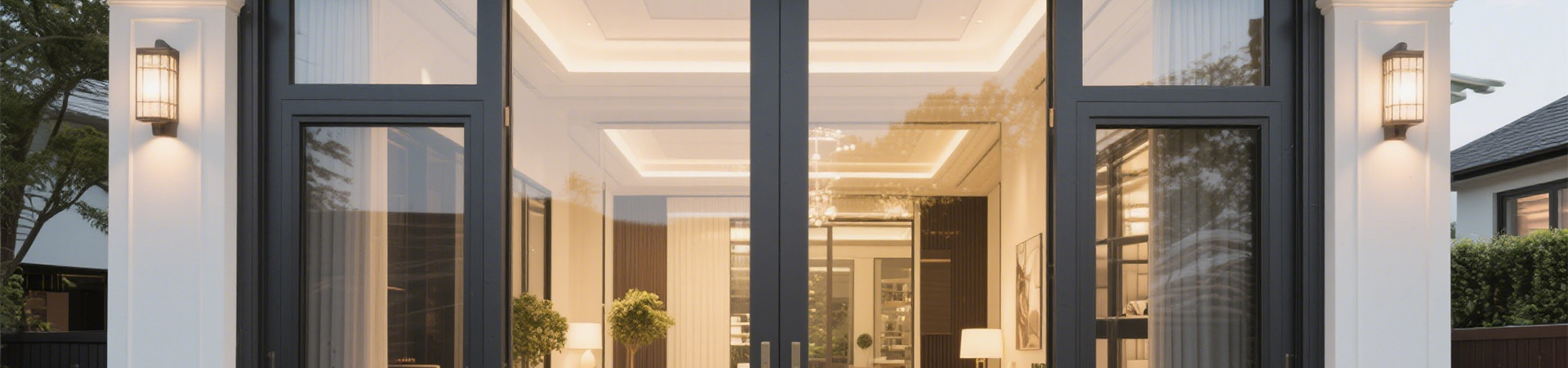
Aluminium profiles can be finished in a variety of colors and textures, providing homeowners with numerous design possibilities. From **sleek modern looks** to more traditional styles, aluminium casement windows can complement any architectural vision, enhancing the overall curb appeal of a property.
4. Design Flexibility with Aluminium Profiles
4.1 Customization Options
One of the most significant advantages of using aluminium profiles in window designs is the **customization options** available. Architects and designers can tailor the size, shape, and finish of the windows to meet specific project requirements. This flexibility allows for the creation of unique and innovative designs that stand out.
4.2 Integration with Modern Architecture
Aluminium profiles seamlessly integrate with contemporary architectural styles, allowing for expansive glass areas and cleaner lines. This trend aligns with the increasing demand for natural light in homes and businesses, further highlighting the versatility of aluminium casement windows.
5. Sustainability and Environmental Impact
5.1 Recycling and Eco-Friendliness
Aluminium is one of the most **recycled materials** on the planet, making it an environmentally friendly choice for construction. The recycling process requires only a fraction of the energy used to produce new aluminium, significantly reducing the overall environmental impact. Choosing aluminium profiles for casement windows supports sustainability efforts.
5.2 Energy Efficiency
With their superior insulation properties, aluminium casement windows contribute to energy efficiency in buildings. By minimizing heat loss and gain, these windows help maintain a stable indoor temperature, leading to reduced energy consumption and lower greenhouse gas emissions.
6. Installation and Maintenance of Aluminium Casement Windows
6.1 Installation Best Practices
Proper installation is crucial for ensuring the performance and longevity of aluminium casement windows. It is essential to follow manufacturer guidelines and employ experienced professionals for installation. Rigid framing and correct sealing are vital to achieving optimal thermal performance and preventing air and water leakage.
6.2 Maintenance Tips for Long-lasting Windows
Keeping aluminium casement windows in peak condition requires minimal effort. Regular cleaning with mild soap and water, along with periodic inspections for any signs of wear, ensures that the windows remain functional and aesthetically pleasing. Additionally, lubricating moving parts will promote smooth operation and enhance their lifespan.
7. Future Trends in Aluminium Casement Window Designs
As architectural styles evolve, so too do the trends in window design. **Smart technology**, such as automated opening systems and integrated sensors for weather conditions, is becoming increasingly common. Additionally, the demand for energy-efficient solutions continues to drive innovations in aluminium profiles, making them a mainstay in sustainable architecture.
8. Conclusion
Aluminium profiles have proven to be a **versatile and beneficial choice** for modern casement window designs. Their durability, energy efficiency, aesthetic appeal, and customization options make them ideal for contemporary architecture. As trends shift towards sustainability and innovation, aluminium profiles are well-positioned to remain a popular choice for builders, architects, and homeowners alike.
9. FAQs
1. What are the main advantages of using aluminium profiles in casement windows?
The main advantages include durability, low maintenance, thermal efficiency, and a wide range of design options.
2. How do aluminium casement windows compare to other materials?
Aluminium windows offer superior durability, energy efficiency, and design flexibility compared to materials like wood and PVC.
3. Can aluminium profiles be customized for specific architectural designs?
Yes, aluminium profiles can be tailored in size, shape, and finish to suit various architectural styles and preferences.
4. Are aluminium casement windows environmentally friendly?
Absolutely! Aluminium is highly recyclable, and modern designs promote energy efficiency, contributing to a reduced environmental impact.
5. What maintenance is required for aluminium casement windows?
Regular cleaning with mild soap and water, along with periodic lubrication of moving parts, will ensure their longevity and performance.
aluminium profile for casement windows

export@topbuildtop.com
Room 2702, 2703B, Block 1, Poly Business Center, No. 8, Wenhua South Road, Dongping New Town, Lecong Town, Shunde District, Foshan City
