
language
22
2026
-
02
The Advantages of Thermal-Break Windows and Doors for Energy Efficiency
Thermal-break windows and doors are increasingly recognized for their significant role in improving energy efficiency within buildings. These innovative products are designed to mitigate heat transfer, which is crucial for maintaining comfortable indoor temperatures and reducing energy consumption. A thermal break refers to a layer of insulating material situated between the interior and exterior
Thermal-break windows and doors are increasingly recognized for their significant role in improving energy efficiency within buildings. These innovative products are designed to mitigate heat transfer, which is crucial for maintaining comfortable indoor temperatures and reducing energy consumption. A thermal break refers to a layer of insulating material situated between the interior and exterior frames of a window or door. This feature effectively interrupts the flow of heat, providing a barrier that minimizes thermal conductivity.
One of the primary advantages of thermal-break technology is its ability to reduce condensation on windows and doors. When the temperature difference between the inside and outside is significant, condensation can form on the glass surface, leading to moisture issues and potential damage to the building structure. With thermal-break windows and doors, the risk of condensation is greatly diminished, enhancing both durability and comfort.
Moreover, these products can significantly contribute to energy savings. Traditional windows and doors, particularly those made from metal materials without thermal breaks, can transfer heat easily, resulting in higher heating and cooling demands. In contrast, thermal-break options maintain a consistent indoor climate, allowing for reduced reliance on HVAC systems. This not only lowers utility bills but also contributes to a more sustainable environment.
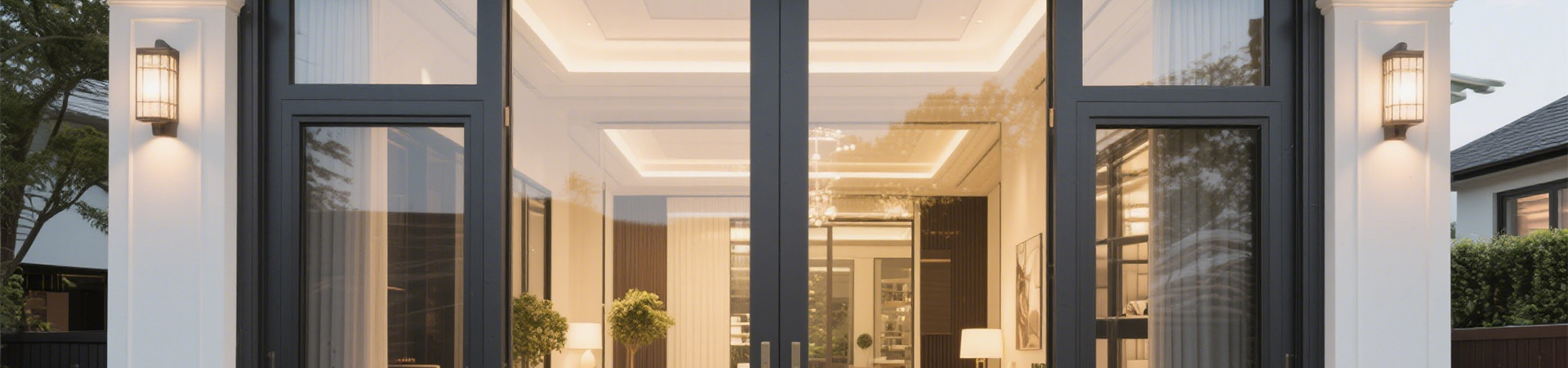
In addition to energy efficiency, thermal-break windows and doors come in various designs and finishes, making them aesthetically appealing without sacrificing functionality. They can be customized to fit a variety of architectural styles, enhancing the overall look of residential and commercial properties. This versatility makes them an attractive option for builders and designers looking to meet the demands of modern construction while ensuring energy efficiency.
Furthermore, thermal-break windows and doors can enhance the acoustic performance of a building. The insulating properties not only help with temperature regulation but also contribute to sound attenuation, making them an ideal choice for urban environments or noisy settings. This aspect is particularly beneficial for homeowners who value peace and tranquility in their living spaces.
In conclusion, thermal-break windows and doors are a vital component in the quest for energy efficiency in modern architecture. By minimizing heat transfer, reducing condensation, and enhancing acoustic performance, these products not only improve comfort but also contribute to long-term cost savings and sustainability. For anyone involved in the building and decorative materials industry, understanding the benefits of thermal-break technology is essential for making informed choices that align with contemporary energy standards and consumer preferences.
One of the primary advantages of thermal-break technology is its ability to reduce condensation on windows and doors. When the temperature difference between the inside and outside is significant, condensation can form on the glass surface, leading to moisture issues and potential damage to the building structure. With thermal-break windows and doors, the risk of condensation is greatly diminished, enhancing both durability and comfort.
Moreover, these products can significantly contribute to energy savings. Traditional windows and doors, particularly those made from metal materials without thermal breaks, can transfer heat easily, resulting in higher heating and cooling demands. In contrast, thermal-break options maintain a consistent indoor climate, allowing for reduced reliance on HVAC systems. This not only lowers utility bills but also contributes to a more sustainable environment.
In addition to energy efficiency, thermal-break windows and doors come in various designs and finishes, making them aesthetically appealing without sacrificing functionality. They can be customized to fit a variety of architectural styles, enhancing the overall look of residential and commercial properties. This versatility makes them an attractive option for builders and designers looking to meet the demands of modern construction while ensuring energy efficiency.
Furthermore, thermal-break windows and doors can enhance the acoustic performance of a building. The insulating properties not only help with temperature regulation but also contribute to sound attenuation, making them an ideal choice for urban environments or noisy settings. This aspect is particularly beneficial for homeowners who value peace and tranquility in their living spaces.
In conclusion, thermal-break windows and doors are a vital component in the quest for energy efficiency in modern architecture. By minimizing heat transfer, reducing condensation, and enhancing acoustic performance, these products not only improve comfort but also contribute to long-term cost savings and sustainability. For anyone involved in the building and decorative materials industry, understanding the benefits of thermal-break technology is essential for making informed choices that align with contemporary energy standards and consumer preferences.
thermal-break windows and doors

export@topbuildtop.com
Room 2702, 2703B, Block 1, Poly Business Center, No. 8, Wenhua South Road, Dongping New Town, Lecong Town, Shunde District, Foshan City
