
language
06
2026
-
03
Understanding Thermal-Break Windows and Doors: Enhancing Energy Efficiency and Comfort
Thermal-break windows and doors are specialized building components designed to enhance energy efficiency and indoor comfort. The primary function of a thermal break is to reduce the transfer of heat and cold between the interior and exterior of a building. This is particularly important in regions with extreme weather conditions, where thermal regulation is essential for maintaining a comfortable
Thermal-break windows and doors are specialized building components designed to enhance energy efficiency and indoor comfort. The primary function of a thermal break is to reduce the transfer of heat and cold between the interior and exterior of a building. This is particularly important in regions with extreme weather conditions, where thermal regulation is essential for maintaining a comfortable living or working environment.
At the core of thermal-break technology is the use of insulating materials that separate the interior and exterior elements of the window or door frame. Traditionally, metal frames have been used for their strength and durability; however, they can conduct heat and cold, leading to energy loss. Thermal-break systems incorporate a non-conductive barrier, often made from materials such as polyurethane or polyamide, between the two metal sections. This barrier significantly reduces thermal bridging, which is the direct path that allows heat to flow through materials, thereby improving the overall energy efficiency of the window or door.
One of the key benefits of thermal-break windows and doors is their ability to lower heating and cooling costs. By minimizing heat transfer, these systems help maintain a stable indoor temperature, reducing the reliance on HVAC systems. This is particularly advantageous for buildings looking to achieve energy efficiency certifications or meet stringent energy codes. Additionally, improved thermal performance can enhance occupant comfort by eliminating cold drafts and reducing condensation on glass surfaces.
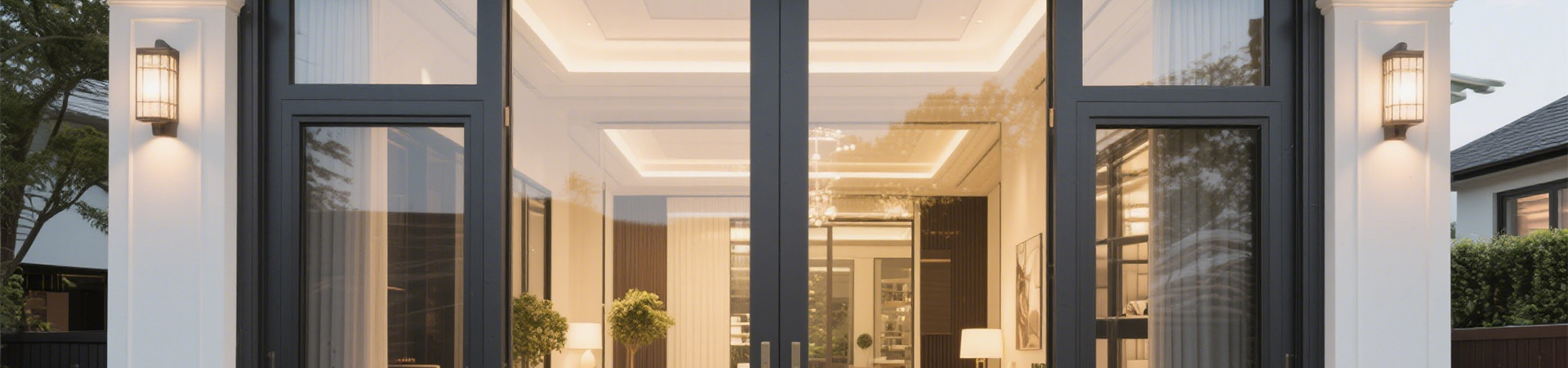
In terms of design and aesthetics, thermal-break windows and doors are versatile. They can be customized to fit various architectural styles while still providing the functional benefits of thermal insulation. Many manufacturers offer a range of finishes and colors, allowing designers and builders to select products that align with the overall design vision of the project.
Installation of thermal-break systems should be carried out by experienced professionals to ensure proper sealing and alignment. Incorrect installation can lead to leaks and compromise the thermal efficiency of the product. It's essential to follow manufacturer guidelines and best practices to achieve optimal performance.
In summary, thermal-break windows and doors are a valuable addition to modern building projects, offering significant energy savings, enhanced comfort, and design flexibility. As the construction industry increasingly focuses on sustainability and energy efficiency, these systems provide a practical solution for professionals seeking to create environmentally responsible and comfortable living spaces. Whether you're involved in new construction, renovations, or retrofitting existing buildings, incorporating thermal-break technology can lead to substantial long-term benefits.
At the core of thermal-break technology is the use of insulating materials that separate the interior and exterior elements of the window or door frame. Traditionally, metal frames have been used for their strength and durability; however, they can conduct heat and cold, leading to energy loss. Thermal-break systems incorporate a non-conductive barrier, often made from materials such as polyurethane or polyamide, between the two metal sections. This barrier significantly reduces thermal bridging, which is the direct path that allows heat to flow through materials, thereby improving the overall energy efficiency of the window or door.
One of the key benefits of thermal-break windows and doors is their ability to lower heating and cooling costs. By minimizing heat transfer, these systems help maintain a stable indoor temperature, reducing the reliance on HVAC systems. This is particularly advantageous for buildings looking to achieve energy efficiency certifications or meet stringent energy codes. Additionally, improved thermal performance can enhance occupant comfort by eliminating cold drafts and reducing condensation on glass surfaces.
In terms of design and aesthetics, thermal-break windows and doors are versatile. They can be customized to fit various architectural styles while still providing the functional benefits of thermal insulation. Many manufacturers offer a range of finishes and colors, allowing designers and builders to select products that align with the overall design vision of the project.
Installation of thermal-break systems should be carried out by experienced professionals to ensure proper sealing and alignment. Incorrect installation can lead to leaks and compromise the thermal efficiency of the product. It's essential to follow manufacturer guidelines and best practices to achieve optimal performance.
In summary, thermal-break windows and doors are a valuable addition to modern building projects, offering significant energy savings, enhanced comfort, and design flexibility. As the construction industry increasingly focuses on sustainability and energy efficiency, these systems provide a practical solution for professionals seeking to create environmentally responsible and comfortable living spaces. Whether you're involved in new construction, renovations, or retrofitting existing buildings, incorporating thermal-break technology can lead to substantial long-term benefits.
thermal-break windows and doors

export@topbuildtop.com
Room 2702, 2703B, Block 1, Poly Business Center, No. 8, Wenhua South Road, Dongping New Town, Lecong Town, Shunde District, Foshan City
