
language
08
2026
-
02
Aluminium Casement Windows: The Ultimate Guide for Homeowners
Aluminium Casement Windows: The Ultimate Guide for Homeowners Table of Contents Introduction to Aluminium Casement Windows Benefits of Aluminium Casement Windows Design Options for Aluminium Casement Windows Energy Efficiency of Aluminium Casement Windows Installation Process of Aluminium Casement Windows Maintenance Tips for Aluminium Casement Windows Costs Involved w
Aluminium Casement Windows: The Ultimate Guide for Homeowners
Table of Contents
- Introduction to Aluminium Casement Windows
- Benefits of Aluminium Casement Windows
- Design Options for Aluminium Casement Windows
- Energy Efficiency of Aluminium Casement Windows
- Installation Process of Aluminium Casement Windows
- Maintenance Tips for Aluminium Casement Windows
- Costs Involved with Aluminium Casement Windows
- Aluminium Casement Windows vs. Other Window Types
- Frequently Asked Questions
- Conclusion
Introduction to Aluminium Casement Windows
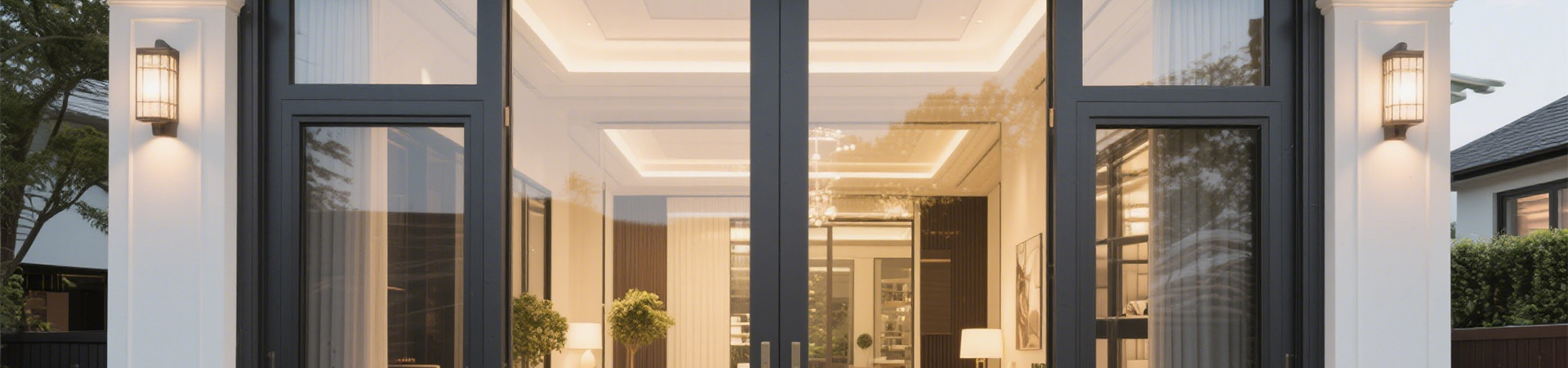
Aluminium casement windows are a popular choice among homeowners due to their sleek design, durability, and versatility. These windows are hinged at the side and open outward, providing excellent ventilation and unobstructed views. Their modern aesthetics complement various architectural styles, making them an appealing option for both contemporary and traditional homes. In this guide, we will delve into the features, benefits, installation, and maintenance of aluminium casement windows to help you make an informed decision for your living space.
Benefits of Aluminium Casement Windows
Aluminium casement windows offer numerous advantages that set them apart from other window types. Here are some key benefits:
1. Durability and Longevity
Aluminium is renowned for its strength and resistance to corrosion, making aluminium casement windows exceptionally durable. Unlike wood, aluminium doesn’t warp, crack, or swell, allowing these windows to maintain their structural integrity over time.
2. Enhanced Energy Efficiency
With advancements in technology, aluminium windows can now feature thermal breaks that significantly improve energy efficiency. This means less heat loss in winter and reduced heat gain in summer, contributing to lower energy bills.
3. Low Maintenance Requirements
One of the most appealing aspects of aluminium casement windows is their low maintenance needs. They require minimal upkeep—occasional cleaning and periodic checks for functionality are usually sufficient to keep them in top condition.
4. Versatile Design Options
Aluminium casement windows come in various styles, colors, and finishes, allowing homeowners to customize their appearance to fit their aesthetic preferences. Whether you prefer a bold look or a more understated design, options abound.
Design Options for Aluminium Casement Windows
When selecting aluminium casement windows, you have numerous design options to consider:
1. Color and Finish Choices
Aluminium can be powder-coated in virtually any color, providing a range of options to match your home's exterior. Anodized finishes are also available, offering enhanced durability and a sleek appearance.
2. Grille Patterns
Many homeowners choose to incorporate grille patterns into their casement windows for added character. Options range from traditional colonial grids to modern minimalist designs.
3. Size and Shape Flexibility
Aluminium casement windows can be customized to fit various sizes and shapes, including large picture windows or smaller accent windows, enabling homeowners to create a unique look.
4. Hardware and Accessories
The choice of hardware can further personalize your windows. Options include various handle styles and locking mechanisms that not only enhance aesthetics but also improve security.
Energy Efficiency of Aluminium Casement Windows
Energy efficiency is a significant consideration for homeowners. Here’s how aluminium casement windows contribute to energy savings:
1. Thermal Break Technology
Modern aluminium windows often incorporate thermal break technology. This consists of a plastic insulating layer between the interior and exterior of the window, reducing heat transfer and enhancing energy efficiency.
2. Double and Triple Glazing
Choosing double or triple-glazed glass for your casement windows can further decrease heat loss. These options trap air or gas between the panes, providing excellent insulation.
3. Improved Ventilation
The outward-opening design of casement windows allows for optimal airflow. Proper ventilation improves indoor air quality and can reduce the reliance on air conditioning during warmer months.
Installation Process of Aluminium Casement Windows
Proper installation is crucial for maximizing the benefits of aluminium casement windows. Here’s an overview of the installation process:
1. Preparing the Site
Before installation, ensure that the window opening is clean and free of any debris. Measure the dimensions accurately to ensure a proper fit.
2. Positioning the Window
Place the window into the opening and ensure it’s level and plumb. Adjust as necessary to achieve a perfect fit.
3. Securing the Window
Secure the window with screws or brackets as per the manufacturer’s instructions. This step is crucial for maintaining the window’s structural integrity.
4. Sealing and Insulating
After installation, apply caulking around the perimeter of the window to create a watertight seal. Insulation may also be added to enhance energy efficiency.
5. Final Inspection
Conduct a final inspection to ensure everything operates smoothly. Open and close the windows to check for any obstructions or misalignments.
Maintenance Tips for Aluminium Casement Windows
While aluminium casement windows are low maintenance, regular upkeep can prolong their lifespan. Here are some maintenance tips:
1. Regular Cleaning
Clean the window frames and glass with mild soap and water to remove dirt and grime. Avoid harsh chemicals that could damage the finish.
2. Lubrication of Moving Parts
Periodically lubricate the hinges and locks to ensure smooth operation. Use a silicone-based lubricant for optimal results.
3. Inspect Weather Stripping
Check the weather stripping around the windows for wear and tear. Replace it if necessary to maintain energy efficiency and prevent drafts.
4. Monitor for Damage
Regularly inspect the windows for any signs of damage, such as dents or scratches. Address any issues promptly to prevent further deterioration.
Costs Involved with Aluminium Casement Windows
Understanding the costs associated with aluminium casement windows can help with budgeting. Factors influencing the price include:
1. Window Size and Design
Larger windows or those with custom designs typically come at a higher cost due to increased materials and labor.
2. Glazing Options
Double or triple glazing will add to the initial investment but can result in significant energy savings in the long run.
3. Installation Costs
Hiring a professional for installation will incur additional costs. It’s advisable to obtain multiple quotes to find a competitive price.
4. Long-Term Savings
Consider the long-term savings on energy bills when evaluating the initial investment in aluminium casement windows. Energy-efficient windows can lead to substantial savings over time.
Aluminium Casement Windows vs. Other Window Types
Understanding how aluminium casement windows stack up against other options can help in making an informed choice.
1. Aluminium vs. Vinyl Windows
While vinyl windows offer good insulation, they are less durable than aluminium and can warp over time. Aluminium windows, on the other hand, provide superior strength and design flexibility.
2. Aluminium vs. Wood Windows
Wood windows are traditionally favored for their aesthetic appeal, but they require more maintenance and are susceptible to rot and decay. Aluminium casement windows offer a modern alternative with lower upkeep.
3. Aluminium vs. Sliding Windows
Sliding windows save space and are easy to operate but can limit ventilation. Casement windows, which open fully, provide better airflow and unobstructed views.
Frequently Asked Questions
1. Are aluminium casement windows energy-efficient?
Yes, when properly installed with thermal breaks and double or triple glazing, aluminium casement windows can be highly energy-efficient, reducing heating and cooling costs.
2. How long do aluminium casement windows last?
With proper maintenance, aluminium casement windows can last several decades, making them a durable investment for homeowners.
3. Can I customize the size and design of aluminium casement windows?
Absolutely! Aluminium casement windows can be customized in size, color, and design to suit your home's aesthetic and functional needs.
4. Do aluminium windows require a lot of maintenance?
No, aluminium windows are low-maintenance. Regular cleaning and lubrication of moving parts are usually sufficient to keep them in excellent condition.
5. What is the installation process for aluminium casement windows?
The installation involves preparing the site, positioning the window correctly, securing it in place, sealing it, and conducting a final inspection to ensure proper functionality.
Conclusion
In conclusion, aluminium casement windows offer an array of benefits that make them a worthy investment for homeowners. Their durability, energy efficiency, and design versatility can greatly enhance the aesthetic and functional appeal of any home. By understanding the installation process and maintenance needs, you can ensure that your aluminium casement windows remain a valuable asset for years to come. Whether you're building a new home or renovating an existing space, consider the advantages of choosing aluminium casement windows for your next project.
aluminium casement windows

export@topbuildtop.com
Room 2702, 2703B, Block 1, Poly Business Center, No. 8, Wenhua South Road, Dongping New Town, Lecong Town, Shunde District, Foshan City
