
language
09
2026
-
05
Enhancing Energy Efficiency: The Advantages of Thermal Insulation Aluminium Doors
Thermal insulation aluminium doors are becoming increasingly popular in the construction and decoration materials sector, especially for their energy efficiency and aesthetic appeal. In today's eco-conscious society, the demand for building materials that contribute to sustainability is on the rise. These doors, designed with thermal insulation properties, are a practical solution for both residen
Thermal insulation aluminium doors are becoming increasingly popular in the construction and decoration materials sector, especially for their energy efficiency and aesthetic appeal. In today's eco-conscious society, the demand for building materials that contribute to sustainability is on the rise. These doors, designed with thermal insulation properties, are a practical solution for both residential and commercial properties.
One of the primary advantages of thermal insulation aluminium doors is their ability to enhance energy efficiency. These doors are constructed using materials that minimize heat transfer, meaning they help keep indoor spaces warm in the winter and cool in the summer. By reducing the reliance on heating and cooling systems, buildings can achieve significant energy savings. This is particularly crucial in regions with extreme temperatures, where energy costs can be a significant portion of a property's operating expenses.
Moreover, the thermal insulation properties of these doors are often enhanced by the use of insulated glazing. Double or triple glazing creates an additional barrier against heat loss, further improving the overall thermal performance of the door. This feature not only contributes to energy savings but also helps create a more comfortable living or working environment, free from drafts and temperature fluctuations.
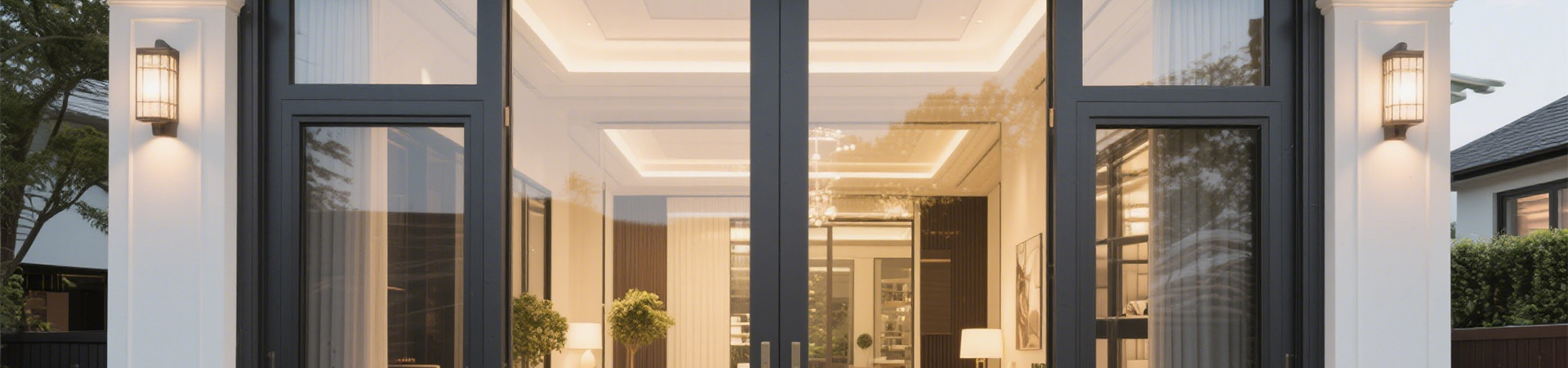
In addition to their functional benefits, thermal insulation aluminium doors also offer aesthetic advantages. They are available in a variety of styles and finishes, allowing architects and designers to incorporate them seamlessly into their projects. The sleek, modern appearance of these doors complements a wide range of architectural styles, from contemporary to traditional. Furthermore, aluminium's inherent strength allows for larger door designs, such as expansive glass panels, which can enhance the natural light and visual appeal of a building.
Another significant benefit of thermal insulation aluminium doors is their durability and low maintenance requirements. Aluminium is naturally resistant to corrosion and does not warp, crack, or swell like wood. This longevity reduces the need for frequent replacements, making these doors a cost-effective choice over time.
For professionals in the construction and decoration materials industry, understanding the advantages of thermal insulation aluminium doors is essential. They not only contribute to energy efficiency and sustainability but also enhance the overall aesthetic and functional aspects of any building project. As the demand for environmentally friendly and high-performance building materials continues to rise, incorporating thermal insulation aluminium doors into designs will undoubtedly be a smart move for any professional looking to stay ahead in the market.
One of the primary advantages of thermal insulation aluminium doors is their ability to enhance energy efficiency. These doors are constructed using materials that minimize heat transfer, meaning they help keep indoor spaces warm in the winter and cool in the summer. By reducing the reliance on heating and cooling systems, buildings can achieve significant energy savings. This is particularly crucial in regions with extreme temperatures, where energy costs can be a significant portion of a property's operating expenses.
Moreover, the thermal insulation properties of these doors are often enhanced by the use of insulated glazing. Double or triple glazing creates an additional barrier against heat loss, further improving the overall thermal performance of the door. This feature not only contributes to energy savings but also helps create a more comfortable living or working environment, free from drafts and temperature fluctuations.
In addition to their functional benefits, thermal insulation aluminium doors also offer aesthetic advantages. They are available in a variety of styles and finishes, allowing architects and designers to incorporate them seamlessly into their projects. The sleek, modern appearance of these doors complements a wide range of architectural styles, from contemporary to traditional. Furthermore, aluminium's inherent strength allows for larger door designs, such as expansive glass panels, which can enhance the natural light and visual appeal of a building.
Another significant benefit of thermal insulation aluminium doors is their durability and low maintenance requirements. Aluminium is naturally resistant to corrosion and does not warp, crack, or swell like wood. This longevity reduces the need for frequent replacements, making these doors a cost-effective choice over time.
For professionals in the construction and decoration materials industry, understanding the advantages of thermal insulation aluminium doors is essential. They not only contribute to energy efficiency and sustainability but also enhance the overall aesthetic and functional aspects of any building project. As the demand for environmentally friendly and high-performance building materials continues to rise, incorporating thermal insulation aluminium doors into designs will undoubtedly be a smart move for any professional looking to stay ahead in the market.
thermal insulation aluminium doors

export@topbuildtop.com
Room 2702, 2703B, Block 1, Poly Business Center, No. 8, Wenhua South Road, Dongping New Town, Lecong Town, Shunde District, Foshan City
