
language
14
2026
-
06
Understanding Casement Windows: Benefits and Features for Modern Architecture
Casement windows are a popular choice in modern architecture, characterized by their hinged design that allows them to open outward. This innovative window style offers a variety of benefits that can enhance both aesthetic appeal and functionality in residential and commercial buildings. One of the primary advantages of casement windows is their ability to provide excellent ventilation. When full
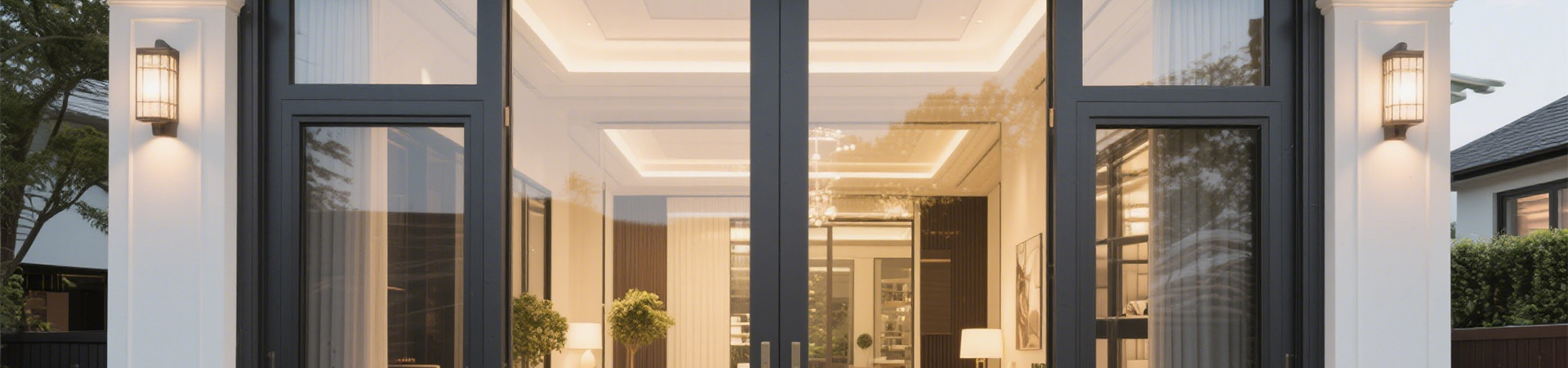
Casement windows are a popular choice in modern architecture, characterized by their hinged design that allows them to open outward. This innovative window style offers a variety of benefits that can enhance both aesthetic appeal and functionality in residential and commercial buildings.
One of the primary advantages of casement windows is their ability to provide excellent ventilation. When fully opened, these windows can catch cross breezes, allowing fresh air to circulate throughout the space. This feature is especially beneficial in warmer climates, where maintaining airflow can significantly improve indoor comfort without relying heavily on air conditioning systems.
In terms of energy efficiency, casement windows have a tight seal when closed, minimizing air leakage. This is crucial for maintaining a stable indoor temperature and reducing energy costs. Many manufacturers offer options with energy-efficient glazing, further enhancing their thermal performance. Homeowners and builders seeking to meet energy efficiency standards will find that casement windows can contribute positively to a building's overall energy ratings.
Aesthetic versatility is another reason to consider casement windows. They come in various styles and materials, including wood, vinyl, and aluminum, allowing architects and designers to match them seamlessly with different architectural styles. Whether you’re designing a contemporary home or a traditional structure, casement windows can be tailored to fit your vision.
Moreover, the ease of use is a significant factor. Casement windows are typically operated with a simple crank mechanism, making them accessible for individuals of all ages. This functionality is particularly beneficial for hard-to-reach areas, such as above sinks or in high-ceilinged rooms, where traditional sliding windows may be impractical.
When considering casement windows, it’s essential to think about placement. They are best suited for spaces where you want to maximize ventilation and light. Positioning them strategically can enhance the room's ambiance and reduce the need for artificial lighting during the day.
Lastly, maintenance for casement windows tends to be straightforward. The materials used today often resist weathering, and a simple cleaning routine can keep them looking new for years. Ensuring proper operation and checking for any obstructions or wear can help maintain their functionality over time.
In conclusion, casement windows offer a blend of style, efficiency, and practicality that makes them a compelling choice for any building project. Their ability to enhance ventilation, energy performance, and aesthetic appeal, along with their ease of use and low maintenance needs, positions them as an excellent option for homeowners and builders alike. When selecting windows for your next project, consider the numerous benefits that casement windows can provide.
One of the primary advantages of casement windows is their ability to provide excellent ventilation. When fully opened, these windows can catch cross breezes, allowing fresh air to circulate throughout the space. This feature is especially beneficial in warmer climates, where maintaining airflow can significantly improve indoor comfort without relying heavily on air conditioning systems.
In terms of energy efficiency, casement windows have a tight seal when closed, minimizing air leakage. This is crucial for maintaining a stable indoor temperature and reducing energy costs. Many manufacturers offer options with energy-efficient glazing, further enhancing their thermal performance. Homeowners and builders seeking to meet energy efficiency standards will find that casement windows can contribute positively to a building's overall energy ratings.
Aesthetic versatility is another reason to consider casement windows. They come in various styles and materials, including wood, vinyl, and aluminum, allowing architects and designers to match them seamlessly with different architectural styles. Whether you’re designing a contemporary home or a traditional structure, casement windows can be tailored to fit your vision.
Moreover, the ease of use is a significant factor. Casement windows are typically operated with a simple crank mechanism, making them accessible for individuals of all ages. This functionality is particularly beneficial for hard-to-reach areas, such as above sinks or in high-ceilinged rooms, where traditional sliding windows may be impractical.
When considering casement windows, it’s essential to think about placement. They are best suited for spaces where you want to maximize ventilation and light. Positioning them strategically can enhance the room's ambiance and reduce the need for artificial lighting during the day.
Lastly, maintenance for casement windows tends to be straightforward. The materials used today often resist weathering, and a simple cleaning routine can keep them looking new for years. Ensuring proper operation and checking for any obstructions or wear can help maintain their functionality over time.
In conclusion, casement windows offer a blend of style, efficiency, and practicality that makes them a compelling choice for any building project. Their ability to enhance ventilation, energy performance, and aesthetic appeal, along with their ease of use and low maintenance needs, positions them as an excellent option for homeowners and builders alike. When selecting windows for your next project, consider the numerous benefits that casement windows can provide.
casement window

export@topbuildtop.com
Room 2702, 2703B, Block 1, Poly Business Center, No. 8, Wenhua South Road, Dongping New Town, Lecong Town, Shunde District, Foshan City
