
language
18
2026
-
06
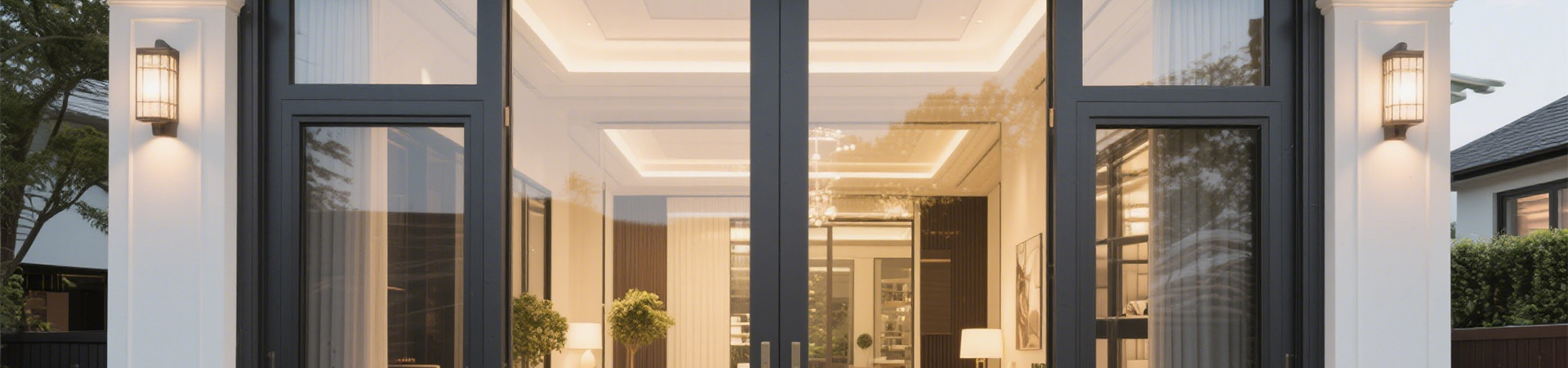
Aluminium Profiles for Casement Windows: A Comprehensive Guide for Professionals
Aluminium profiles for casement windows are increasingly popular due to their unique combination of strength, durability, and aesthetic appeal. These profiles serve as the structural framework for windows that open outward on hinges, allowing for excellent ventilation while providing an unobtrusive view. Here, we delve into the key features and advantages of using aluminium profiles in casement wi
Aluminium profiles for casement windows are increasingly popular due to their unique combination of strength, durability, and aesthetic appeal. These profiles serve as the structural framework for windows that open outward on hinges, allowing for excellent ventilation while providing an unobtrusive view. Here, we delve into the key features and advantages of using aluminium profiles in casement window systems, catering to professionals in the packaging and metal materials sector.
One of the primary benefits of aluminium profiles is their lightweight nature, which makes them easy to handle and install. Despite being lightweight, aluminium possesses remarkable strength and resistance to various environmental factors. This strength ensures that casement windows constructed with aluminium profiles can withstand wind loads and other stresses without compromising structural integrity. Furthermore, aluminium is naturally resistant to corrosion, which prolongs the lifespan of the window and reduces the need for frequent maintenance.
Another significant advantage of using aluminium profiles for casement windows is their versatility in design. They can be extruded into various shapes and sizes, allowing for customization to meet specific architectural requirements. This flexibility enables architects and builders to create unique window designs that enhance both the functional and aesthetic qualities of a building. Additionally, aluminium can be finished in various colors and textures, offering a wide range of design possibilities to match different styles and preferences.
Energy efficiency is another critical aspect to consider when discussing aluminium profiles for casement windows. Modern aluminium profiles often incorporate thermal breaks, which improve insulation and prevent heat transfer. This feature is vital in enhancing the energy efficiency of buildings, leading to reduced heating and cooling costs. By using aluminium profiles with effective thermal insulation, homeowners can enjoy a more comfortable indoor environment year-round.
Moreover, the sustainability of aluminium as a material cannot be overlooked. It is 100% recyclable without losing its properties, making it an environmentally friendly choice for construction projects. This characteristic aligns with the growing demand for sustainable building materials in the industry, enabling professionals to meet green building standards.
In conclusion, aluminium profiles for casement windows offer numerous benefits, including strength, versatility, energy efficiency, and sustainability. Their ability to be customized and designed to meet specific needs makes them an ideal choice for modern architectural projects. As professionals in the packaging and metal materials industry, understanding the advantages and applications of aluminium profiles can enhance your product offerings and provide valuable solutions to clients in need.
One of the primary benefits of aluminium profiles is their lightweight nature, which makes them easy to handle and install. Despite being lightweight, aluminium possesses remarkable strength and resistance to various environmental factors. This strength ensures that casement windows constructed with aluminium profiles can withstand wind loads and other stresses without compromising structural integrity. Furthermore, aluminium is naturally resistant to corrosion, which prolongs the lifespan of the window and reduces the need for frequent maintenance.
Another significant advantage of using aluminium profiles for casement windows is their versatility in design. They can be extruded into various shapes and sizes, allowing for customization to meet specific architectural requirements. This flexibility enables architects and builders to create unique window designs that enhance both the functional and aesthetic qualities of a building. Additionally, aluminium can be finished in various colors and textures, offering a wide range of design possibilities to match different styles and preferences.
Energy efficiency is another critical aspect to consider when discussing aluminium profiles for casement windows. Modern aluminium profiles often incorporate thermal breaks, which improve insulation and prevent heat transfer. This feature is vital in enhancing the energy efficiency of buildings, leading to reduced heating and cooling costs. By using aluminium profiles with effective thermal insulation, homeowners can enjoy a more comfortable indoor environment year-round.
Moreover, the sustainability of aluminium as a material cannot be overlooked. It is 100% recyclable without losing its properties, making it an environmentally friendly choice for construction projects. This characteristic aligns with the growing demand for sustainable building materials in the industry, enabling professionals to meet green building standards.
In conclusion, aluminium profiles for casement windows offer numerous benefits, including strength, versatility, energy efficiency, and sustainability. Their ability to be customized and designed to meet specific needs makes them an ideal choice for modern architectural projects. As professionals in the packaging and metal materials industry, understanding the advantages and applications of aluminium profiles can enhance your product offerings and provide valuable solutions to clients in need.
aluminium profile for casement windows

export@topbuildtop.com
Room 2702, 2703B, Block 1, Poly Business Center, No. 8, Wenhua South Road, Dongping New Town, Lecong Town, Shunde District, Foshan City
