
language
22
2026
-
06
Understanding Thermal-Break Windows and Doors: A Guide to Enhanced Energy Efficiency
--- Thermal-break windows and doors are an innovative solution in the realm of building and decorative materials, particularly in the manufacturing of high-performance door and window hardware. The term "thermal break" refers to the separation between the interior and exterior parts of a window or door frame, typically achieved through the use of insulating materials. This technology plays a signi
---
Thermal-break windows and doors are an innovative solution in the realm of building and decorative materials, particularly in the manufacturing of high-performance door and window hardware. The term "thermal break" refers to the separation between the interior and exterior parts of a window or door frame, typically achieved through the use of insulating materials. This technology plays a significant role in improving energy efficiency, reducing heating and cooling costs, and enhancing overall comfort within a building.
In traditional window and door designs, metal frames can conduct heat and cold, leading to undesirable temperature fluctuations inside the building. This can result in higher energy bills and discomfort for the occupants. By incorporating thermal breaks, manufacturers are able to minimize this thermal transfer, significantly improving the insulation properties of the windows and doors.
One of the primary benefits of thermal-break windows and doors is their ability to contribute to energy savings. The insulating layer provided by the thermal break reduces the amount of heat lost during winter and heat gained during summer. This not only helps in maintaining a consistent indoor temperature but also lessens the reliance on heating and cooling systems, leading to lower energy consumption.
In addition to energy efficiency, thermal-break windows and doors offer enhanced durability and performance. The materials used in the thermal break are typically resistant to weather elements, which can prolong the lifespan of the window or door. Furthermore, they can help prevent condensation and mold growth, as the internal surfaces remain warmer and drier.
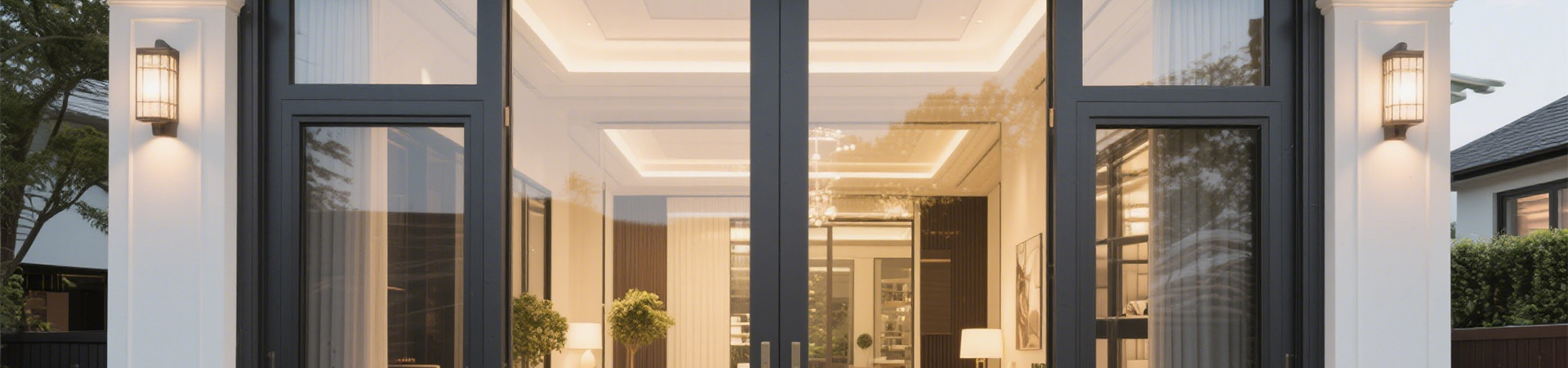
From a design perspective, thermal-break windows and doors come in a variety of styles and finishes, allowing for seamless integration into any architectural aesthetic. They can be customized to meet the specific needs of a project, whether for residential or commercial applications. This versatility makes them an appealing choice for architects and builders who prioritize both function and style.
Moreover, the use of thermal-break technology in windows and doors is increasingly recognized in green building certifications. Implementing such energy-efficient products can contribute to achieving LEED (Leadership in Energy and Environmental Design) credits, making them an attractive option for environmentally conscious projects.
In conclusion, thermal-break windows and doors stand out as a crucial advancement in the building materials industry, offering significant benefits in terms of energy efficiency, durability, and design flexibility. For anyone involved in construction, whether as a homeowner, builder, or architect, understanding the importance of thermal breaks can lead to better choices that enhance both comfort and sustainability in modern buildings.
Thermal-break windows and doors are an innovative solution in the realm of building and decorative materials, particularly in the manufacturing of high-performance door and window hardware. The term "thermal break" refers to the separation between the interior and exterior parts of a window or door frame, typically achieved through the use of insulating materials. This technology plays a significant role in improving energy efficiency, reducing heating and cooling costs, and enhancing overall comfort within a building.
In traditional window and door designs, metal frames can conduct heat and cold, leading to undesirable temperature fluctuations inside the building. This can result in higher energy bills and discomfort for the occupants. By incorporating thermal breaks, manufacturers are able to minimize this thermal transfer, significantly improving the insulation properties of the windows and doors.
One of the primary benefits of thermal-break windows and doors is their ability to contribute to energy savings. The insulating layer provided by the thermal break reduces the amount of heat lost during winter and heat gained during summer. This not only helps in maintaining a consistent indoor temperature but also lessens the reliance on heating and cooling systems, leading to lower energy consumption.
In addition to energy efficiency, thermal-break windows and doors offer enhanced durability and performance. The materials used in the thermal break are typically resistant to weather elements, which can prolong the lifespan of the window or door. Furthermore, they can help prevent condensation and mold growth, as the internal surfaces remain warmer and drier.
From a design perspective, thermal-break windows and doors come in a variety of styles and finishes, allowing for seamless integration into any architectural aesthetic. They can be customized to meet the specific needs of a project, whether for residential or commercial applications. This versatility makes them an appealing choice for architects and builders who prioritize both function and style.
Moreover, the use of thermal-break technology in windows and doors is increasingly recognized in green building certifications. Implementing such energy-efficient products can contribute to achieving LEED (Leadership in Energy and Environmental Design) credits, making them an attractive option for environmentally conscious projects.
In conclusion, thermal-break windows and doors stand out as a crucial advancement in the building materials industry, offering significant benefits in terms of energy efficiency, durability, and design flexibility. For anyone involved in construction, whether as a homeowner, builder, or architect, understanding the importance of thermal breaks can lead to better choices that enhance both comfort and sustainability in modern buildings.
thermal-break windows and doors

export@topbuildtop.com
Room 2702, 2703B, Block 1, Poly Business Center, No. 8, Wenhua South Road, Dongping New Town, Lecong Town, Shunde District, Foshan City
