
language
30
2026
-
06
Understanding Casement Windows: A Comprehensive Guide for Professionals
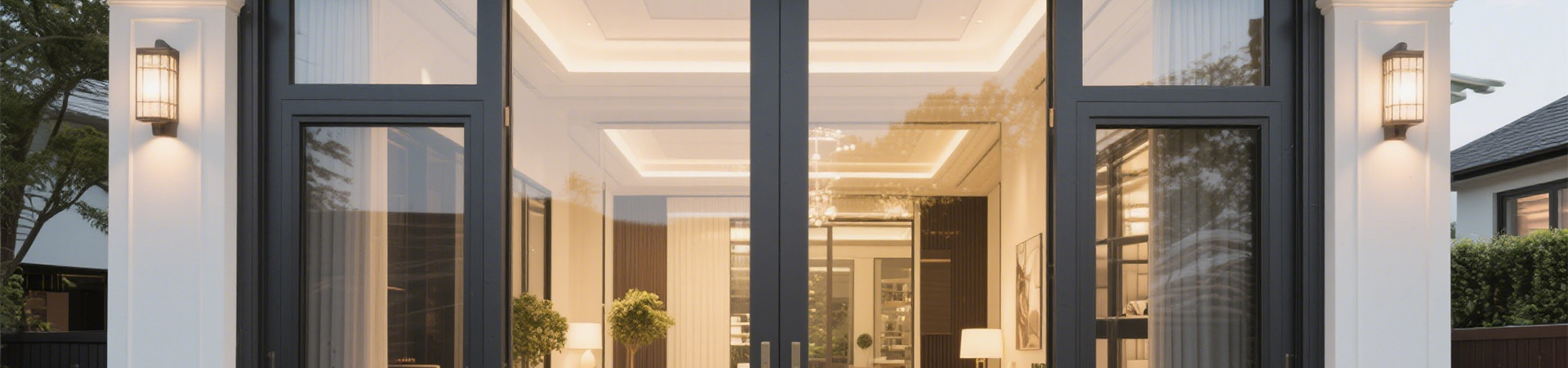
Casement windows are a popular choice in modern architecture due to their unique design and functionality. Unlike traditional sliding or hung windows, casement windows are attached to their frames by hinges, allowing them to open outward. This design not only provides a wider opening but also facilitates superior ventilation, making them an excellent choice for areas that require optimal airflow.
Casement windows are a popular choice in modern architecture due to their unique design and functionality. Unlike traditional sliding or hung windows, casement windows are attached to their frames by hinges, allowing them to open outward. This design not only provides a wider opening but also facilitates superior ventilation, making them an excellent choice for areas that require optimal airflow.
One of the primary advantages of casement windows is their energy efficiency. When closed, the design creates a tight seal against the frame, minimizing drafts and heat loss. This feature is particularly beneficial in climates with extreme temperatures, as it helps maintain a comfortable indoor environment. Additionally, many casement windows are equipped with multi-point locking systems that enhance security by ensuring a snug fit when closed.
From an aesthetic standpoint, casement windows offer a clean and unobtrusive look, seamlessly blending with various architectural styles. They can be customized in terms of size, shape, and finish, allowing architects and builders to design spaces that reflect the desired aesthetic. Furthermore, the ability to pair casement windows with different framing materials—such as wood, vinyl, or aluminum—adds to their versatility.
Installation is a critical aspect of employing casement windows in construction projects. Proper alignment and sealing are essential to ensure optimal performance. Professionals should consider the window’s orientation and surrounding structures when installing casement windows, as this can affect their functionality and exposure to elements. Additionally, regular maintenance is vital to preserve the integrity of the window. Lubricating the hinges and checking for any signs of wear can prolong the lifespan of casement windows.
Moreover, casement windows can significantly enhance the natural light within a space. Their ability to open wide allows for unobstructed views and encourages the flow of fresh air, contributing to a healthy indoor environment. This is particularly advantageous in residential settings, where maximizing natural light can make spaces feel larger and more inviting.
In summary, casement windows are a dynamic option for those in the building and decorative materials industry. Their combination of energy efficiency, aesthetic flexibility, and ease of use makes them suitable for a variety of applications. By understanding the technical specifications and installation requirements of casement windows, professionals can better advise clients on incorporating these features into their projects, ultimately leading to enhanced functionality and appeal in living and working spaces.
One of the primary advantages of casement windows is their energy efficiency. When closed, the design creates a tight seal against the frame, minimizing drafts and heat loss. This feature is particularly beneficial in climates with extreme temperatures, as it helps maintain a comfortable indoor environment. Additionally, many casement windows are equipped with multi-point locking systems that enhance security by ensuring a snug fit when closed.
From an aesthetic standpoint, casement windows offer a clean and unobtrusive look, seamlessly blending with various architectural styles. They can be customized in terms of size, shape, and finish, allowing architects and builders to design spaces that reflect the desired aesthetic. Furthermore, the ability to pair casement windows with different framing materials—such as wood, vinyl, or aluminum—adds to their versatility.
Installation is a critical aspect of employing casement windows in construction projects. Proper alignment and sealing are essential to ensure optimal performance. Professionals should consider the window’s orientation and surrounding structures when installing casement windows, as this can affect their functionality and exposure to elements. Additionally, regular maintenance is vital to preserve the integrity of the window. Lubricating the hinges and checking for any signs of wear can prolong the lifespan of casement windows.
Moreover, casement windows can significantly enhance the natural light within a space. Their ability to open wide allows for unobstructed views and encourages the flow of fresh air, contributing to a healthy indoor environment. This is particularly advantageous in residential settings, where maximizing natural light can make spaces feel larger and more inviting.
In summary, casement windows are a dynamic option for those in the building and decorative materials industry. Their combination of energy efficiency, aesthetic flexibility, and ease of use makes them suitable for a variety of applications. By understanding the technical specifications and installation requirements of casement windows, professionals can better advise clients on incorporating these features into their projects, ultimately leading to enhanced functionality and appeal in living and working spaces.
casement window

export@topbuildtop.com
Room 2702, 2703B, Block 1, Poly Business Center, No. 8, Wenhua South Road, Dongping New Town, Lecong Town, Shunde District, Foshan City
